


Prudential
Retirement Strategies
Overview
Prudential's Retirement business had burned through three design leaders in two years. Three large-scale product teams had been forcibly merged, morale was fractured, and the design org had no clear direction, no unified methodology, and no trusted partnership with the product trains it was meant to serve. I was brought in not to lead a design team — but to stabilize one, and rebuild its credibility inside a complex, highly regulated financial organization that had learned to distrust design leadership.
Within 90 days I had evaluated all 15 designers, reallocated talent across agile pods, established working partnerships with three Chief Product Owners, secured budget for Design and Research, and begun embedding design thinking across three 150+ person product trains. By the end of the engagement, the design org was functioning as a trusted, collaborative partner to the business for the first time — with measurable NPS improvement across all three platforms and an AI-driven automation tool in active development.
The Business Context
Prudential's Retirement division operates at an enormous scale - three distinct product platforms each serving different segments of the retirement ecosystem:
Retirement Distribution Platform — advisor-facing and consumer tools
Retirement Institutional Platform — products serving institutional clients and plan sponsors
Retirement Salesforce Platform — CRM, sales enablement and Salesforce platforms
Three leaders in two years had left these platforms without design continuity. The teams had been restructured, merged, and reorganized before anyone could establish trust or deliver meaningful work. Design was seen as a bottleneck by product, a black box by engineering, and an afterthought by business stakeholders who had been burned by slow delivery and misaligned priorities.
The mandate wasn't a product redesign.
It was an organizational reset at speed, under scrutiny, in one of the most process-heavy environments in financial services.
My Leadership Scope
I came in as Director of Experience Design and Creative Direction, reporting across a complex stakeholder matrix that included three Chief Product Owners each leading a 150+ person product train — and senior leaders across Voice of the Customer, ADA Compliance, Legal, Finance, Business Strategy, Engineering, Brand, and Marketing.
My first 90 days were structured as a full organizational assessment:
Team evaluation: All 15 designers assessed for skills, strengths, and current agile pod fit. Determinations made on reallocation, development needs, and where new hires were required to fill capability gaps.
Roadmap alignment: Partnered with three CPOs to understand their 12-month product roadmaps, prioritize design capacity against strategic bets, and build a delivery model that could actually sustain the pace.
Budget: Established and secured the Design and Research budget required to support three product trains operating in parallel.
Partnership building: Stood up working relationships with Voice of Customer, ADA Compliance, Legal, and Engineering — the cross-functional partnerships that design had failed to maintain under previous leadership.
Over the course of the engagement I personally mentored and provided Design Director and Creative Director oversight to 17 designers — including 2 UX Writers and Design Engineers — embedded across agile pods in all three product trains
The Approach - Unify, Simplify & Partner
The organizations I inherited weren't broken by bad design. They were broken by organizational fragmentation — teams that didn't trust each other, design practices that weren't legible to product and engineering, and a history of leadership instability that had trained every stakeholder to work around design rather than with it.
The approach was deliberate and sequential.
Unify first. Before any product work could succeed, the design team needed a shared methodology, a consistent delivery model, and a common language. I introduced design thinking frameworks and agile-compatible research practices that gave the team a way to work that product and engineering could understand, predict, and plan around.
Simplify the model. Three product trains meant three different rhythms, three different stakeholder cultures, and three different definitions of what design was supposed to do. I simplified the operating model — standardized how design was embedded in agile pods, how design reviews were run, how handoffs to engineering worked — so the team could scale across all three trains without reinventing the process each time.
Become a trusted partner. The most important deliverable in the first 90 days wasn't a design artifact — it was a relationship. I invested heavily in building direct working relationships with each CPO and their product leads. Design credibility in a skeptical organization isn't established by good work alone. It's established by showing up with clarity, meeting commitments, and speaking the language of the business.

Key Initiatives
Project Elevate
Migrated Prudential's legacy Annuities CRM to Salesforce Financial Services Cloud, leveraging the Salesforce Lightning Design System to create an intuitive, modern advisor experience. I led the UX design of the migration — working closely with Engineering, Business Strategy, and Salesforce implementation partners to ensure complex financial workflows translated cleanly to the new platform. The result: faster sales cycles, more intuitive advisor workflows, and a significant reduction in technology overhead and maintenance costs.
PruXpress
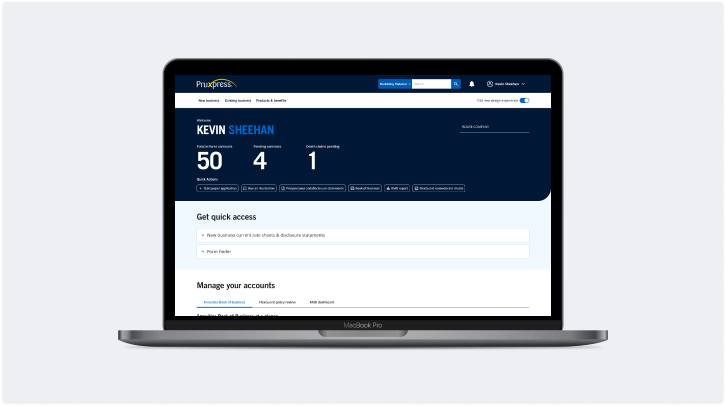
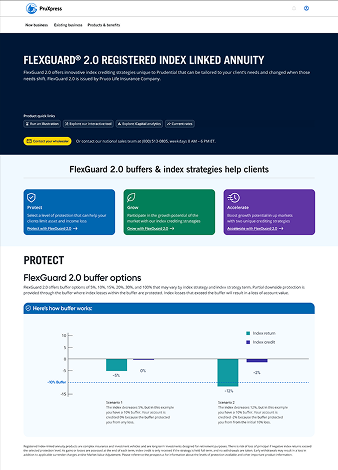
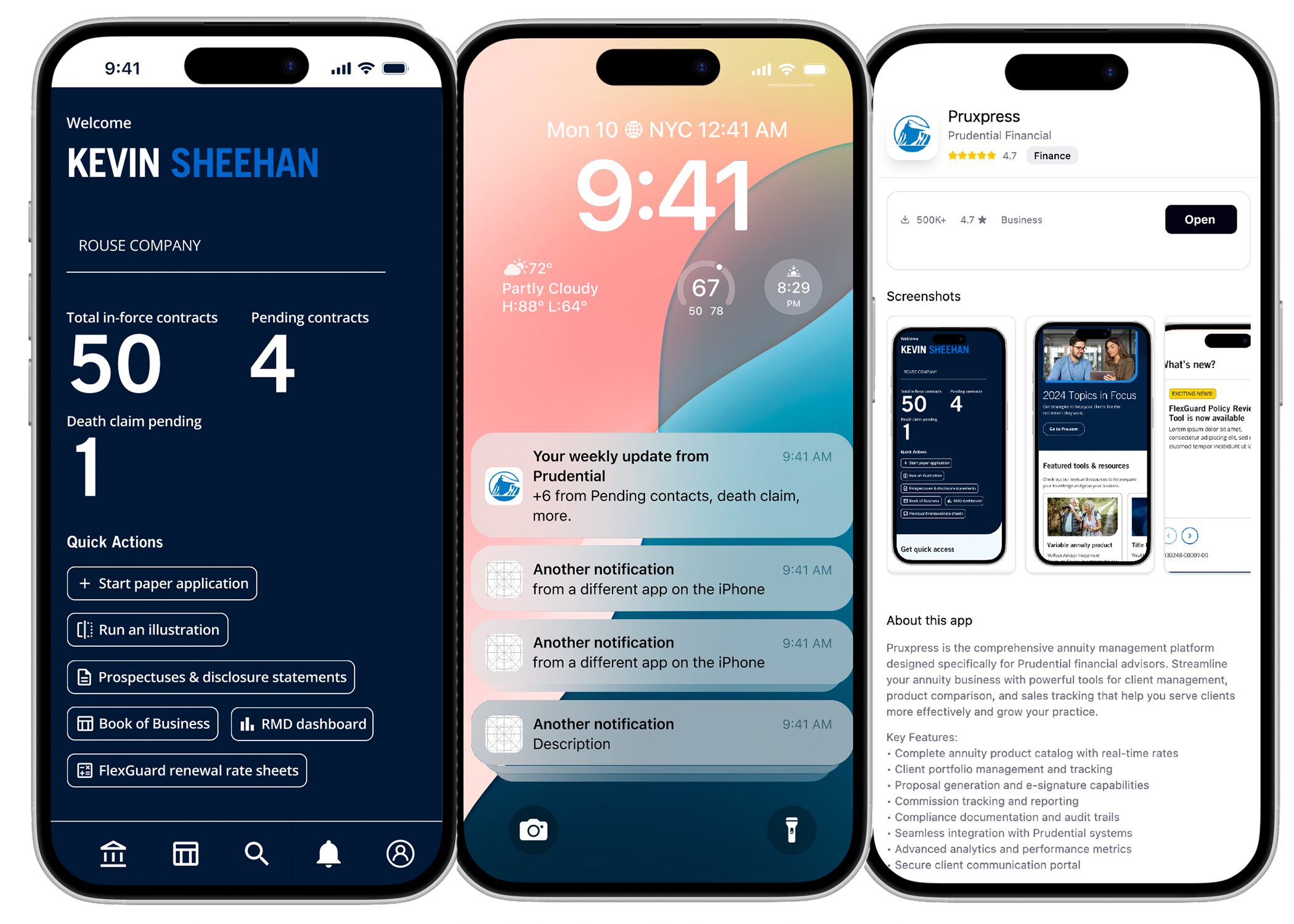
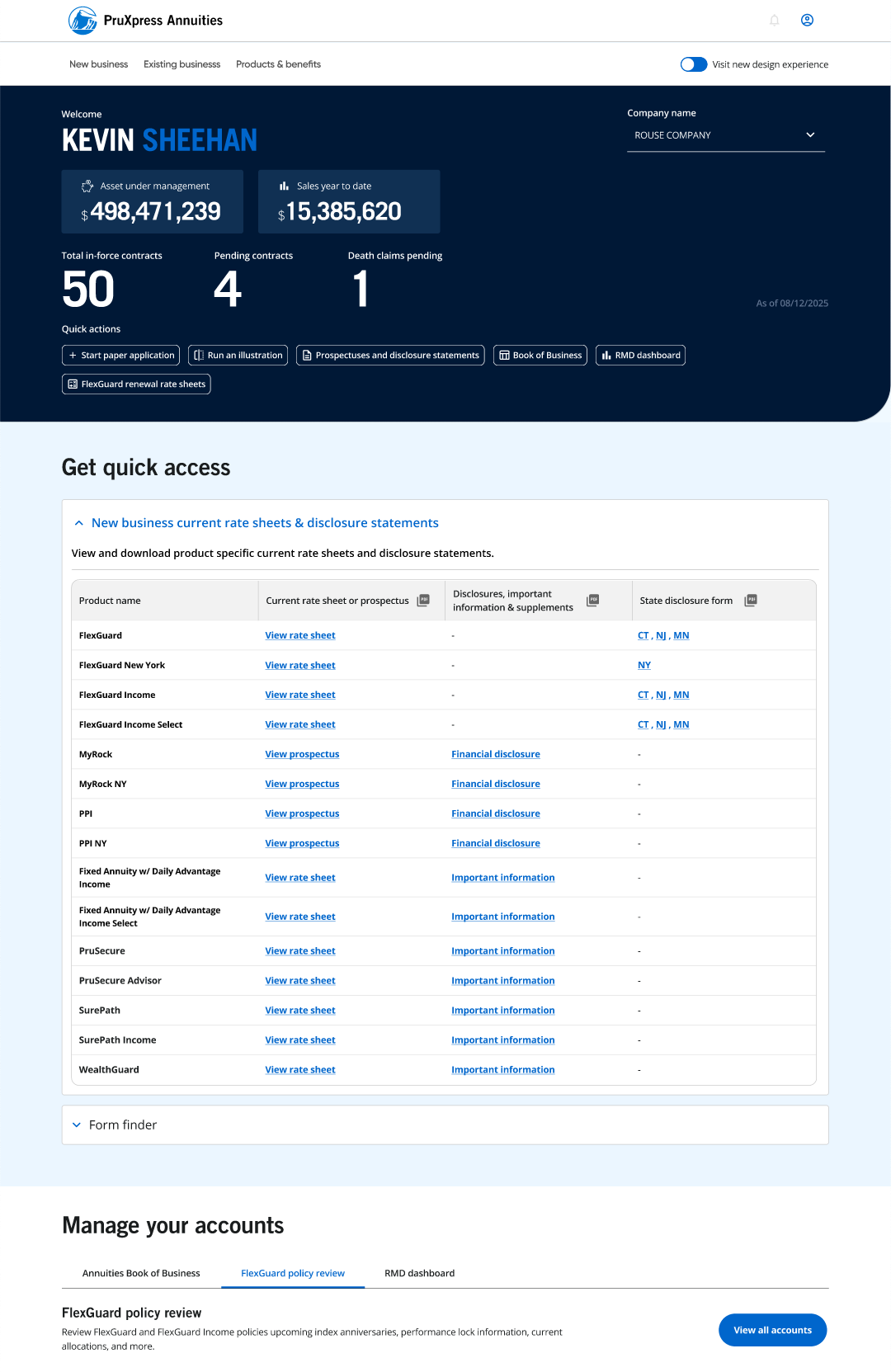
PruXpress is the operational heart of Prudential's retirement annuities business — the platform financial advisors at Prudential and LPL use to manage their full book of business. With a portfolio averaging $4 billion annually, it is one of the most mission-critical internal tools in the organization. I led the redesign of PruXpress to a modern product framework — overhauling the UX for advisors who depend on it daily, improving usability and accessibility, and aligning the platform to Prudential's enterprise design standards without disrupting the workflows of the financial advisors who live in it.
15 pt NPS gain across 12 months
The AI-driven data processing tool we designed with Engineering — taking a 14-day manual developer workflow down to 2 minutes, self-service, available org-wide. See AI Spotlight section for full detail.
Data Exchange Management
The Work
The scope of work across three product trains was broad by design. My team was embedded across every significant initiative in Prudential's Retirement product portfolio:
Platform Migrations — Led design for the migration of legacy Retirement products to Salesforce — modernizing the user experience while managing the complexity of moving mission-critical financial workflows to a new platform without disrupting advisors or plan sponsors in production.
PruXpress Overhaul — Complete redesign of PruXpress to a modern product framework — improving usability, accessibility, and visual alignment with Prudential's enterprise design standards.
Mobile & Responsive — Designed and delivered mobile applications and mobile-responsive frameworks across the Retirement product suite — extending the platform's reach to advisors and clients on the move.
ADA Compliance — Worked closely with Prudential's ADA Compliance team to audit, prioritize, and remediate accessibility across all three platforms — building compliance into the design process rather than treating it as a post-launch fix.
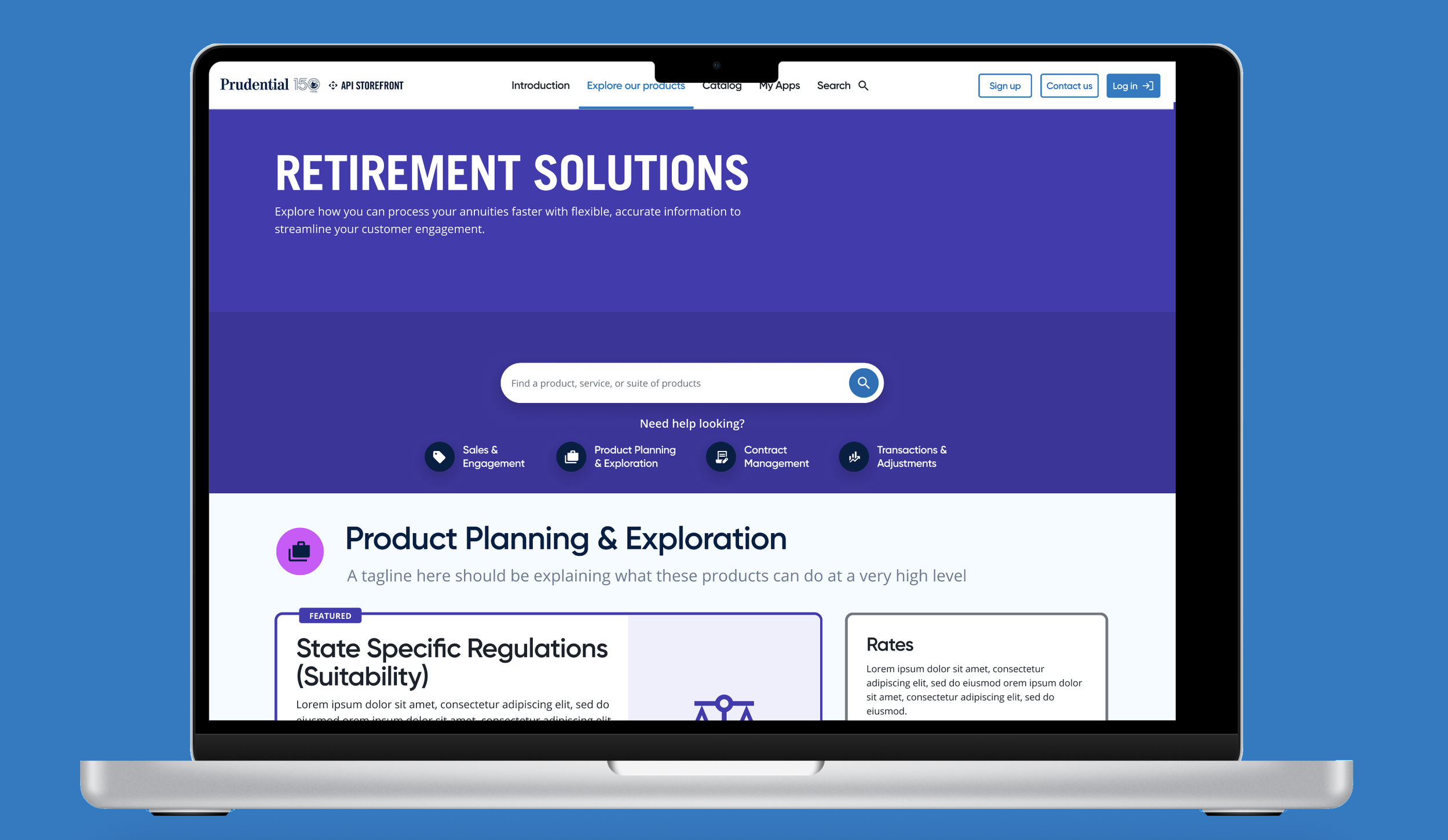
Embedded across Prudential's three Retirement product trains was a chronic drag on engineering velocity: ingesting data files. The process was entirely manual a developer would receive a CSV or Excel file, sterilize it, write it to a dedicated database, and catalog it. Start to finish: one to two full sprints. Fourteen days. Every time.
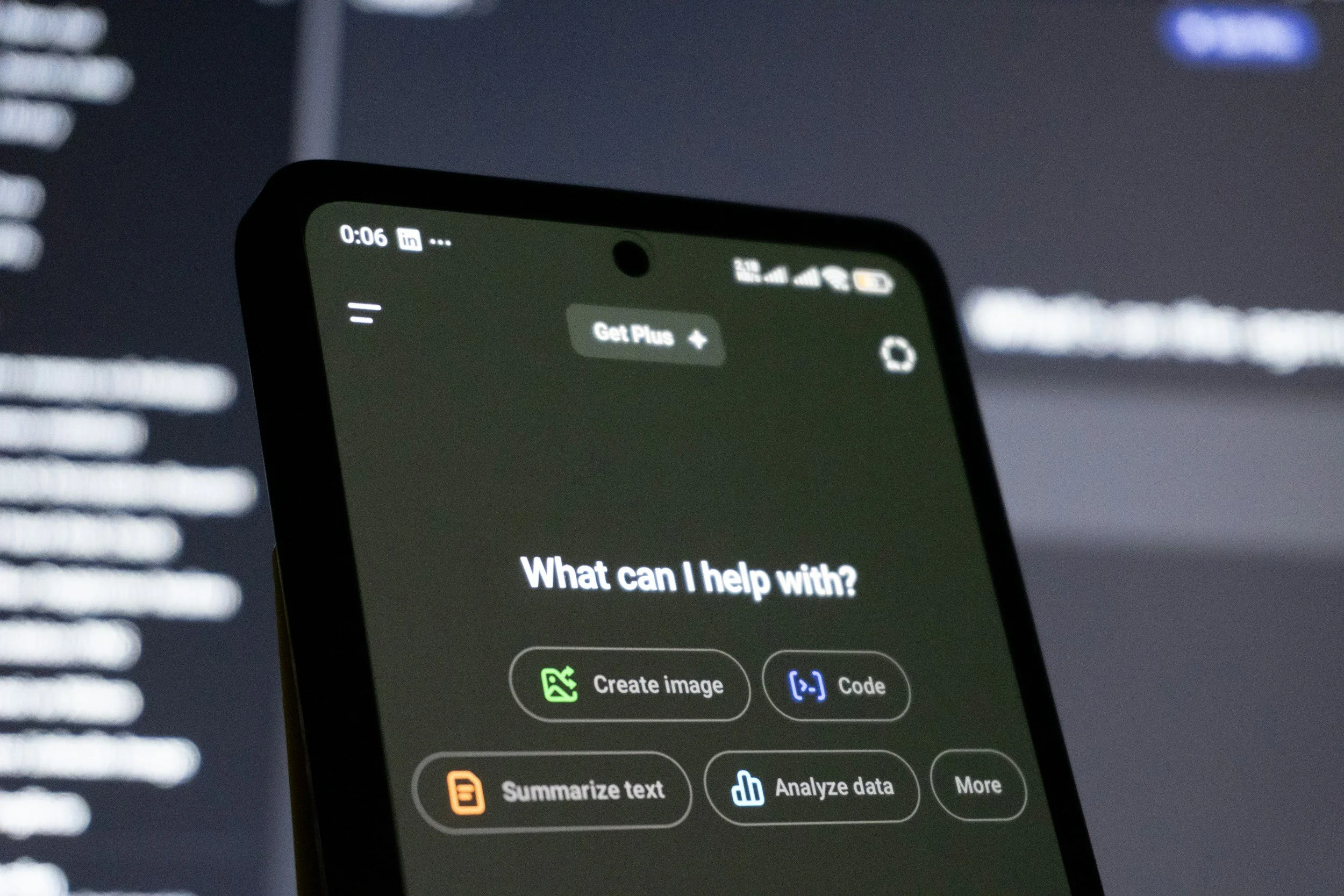
I partnered with Engineering and Product to design and ship the DEM tool an AI-driven automation platform that eliminated that process entirely. Post-launch, the same task takes one to two minutes. No developer required. The tool launched as a self-service internal product, available to all audiences across the organizationl - meaning teams that previously had to submit requests and wait weeks could now process their own data files independently, on demand.
The DEM tool wasn't a prototype or an experiment. It shipped, it scaled, and it kept growing.
AI Leadership
14 days → 2 minutes. Self-service. No developer resources required. Roadmap through 2027.
Awards
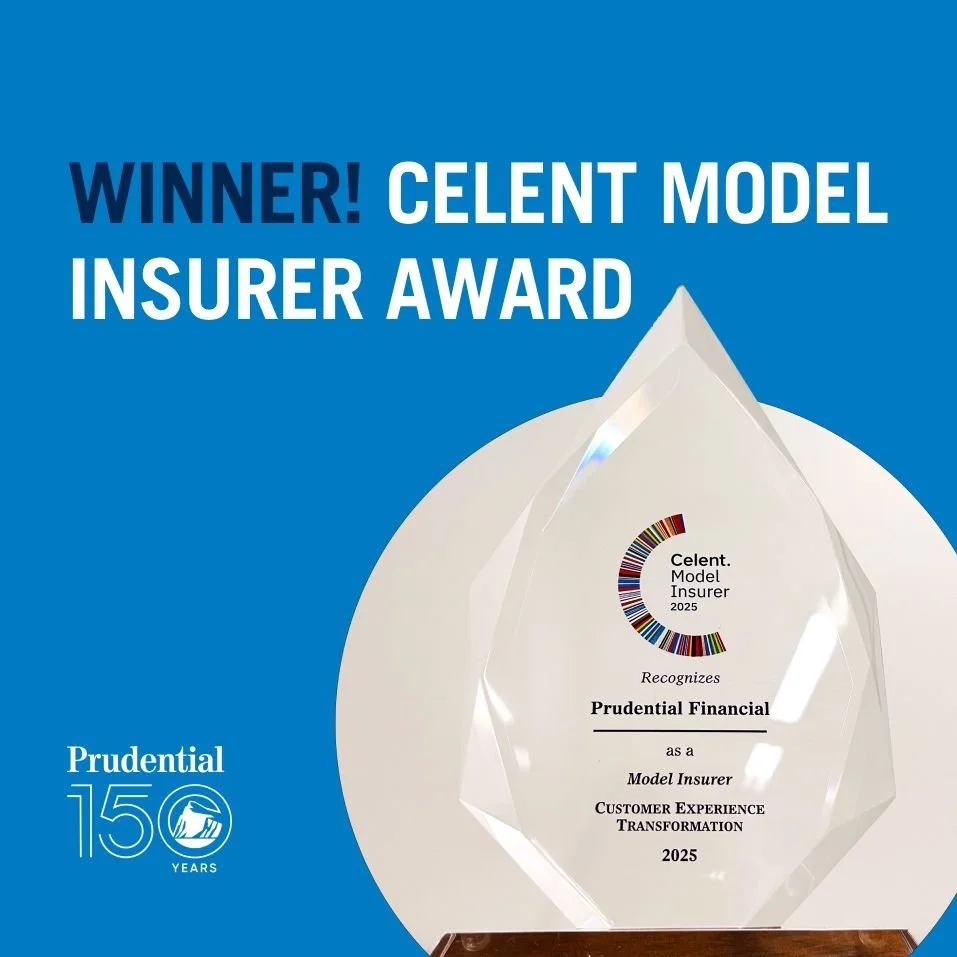
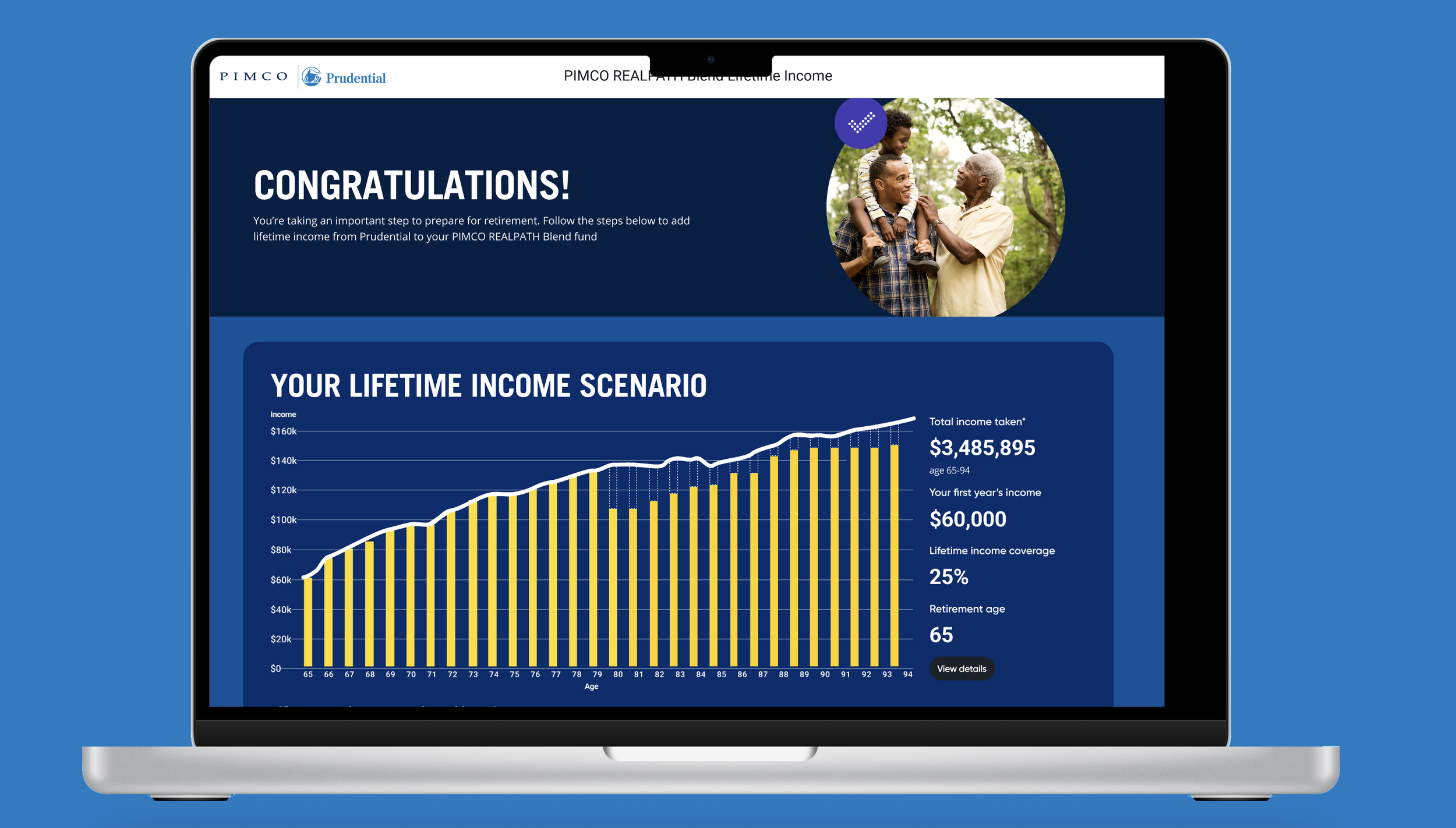
Prudential Financial: PRT Annuitant Benefit Modeling & Retirement Transformation
Winner of the 2025 Model Insurer Award for Customer Experience
Read More…
Lasting Impact
When I joined, three design leaders had failed to stabilize this org in two years. When I left, the design function was embedded, trusted, and delivering consistently across three product trains for the first time.
That's not a UX outcome. That's an organizational one.
The 17 designers I mentored had a clearer professional path, stronger agile integration, and a direct connection to the business strategy they were serving. The three CPOs had a design partner they could plan around. The cross-functional relationships with VoC, ADA, Legal, and Engineering were functioning. And the DEM tool was in active development — an AI investment the org hadn't been willing to make until design had the credibility to advocate for it.
Design leadership in a complex financial organization is measured by one thing: does the business trust design enough to include it in the decisions that matter? By that measure, the engagement was a success.